Where to hold a teen birthday party in Belgrade?
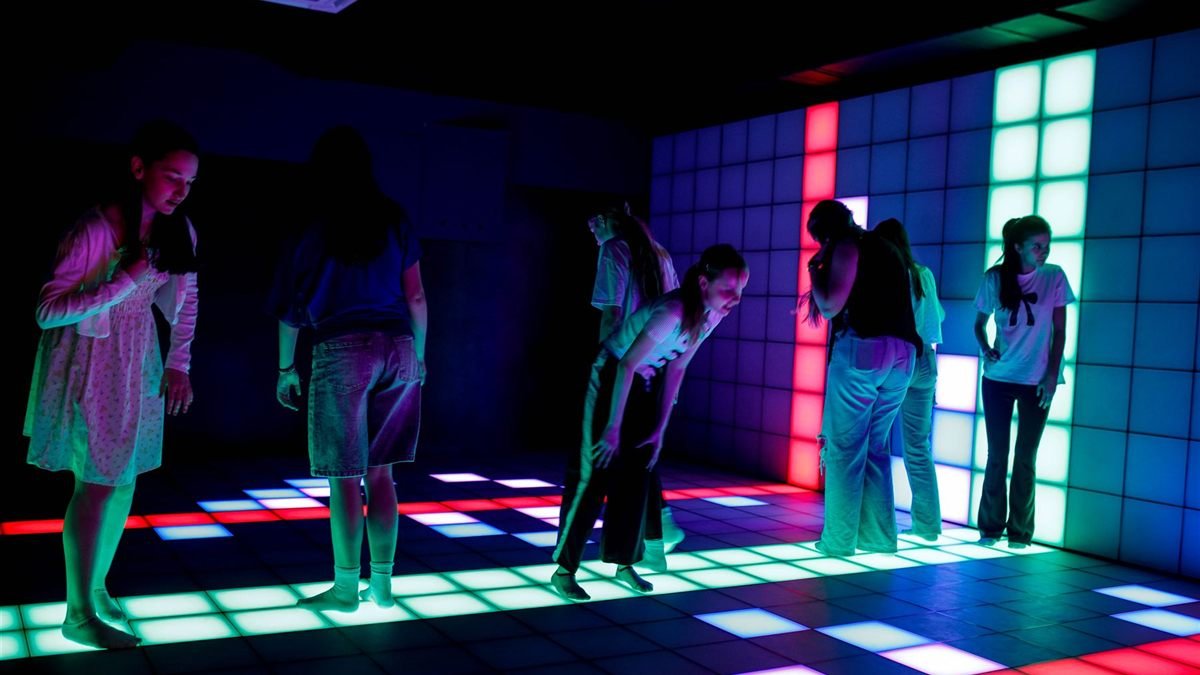
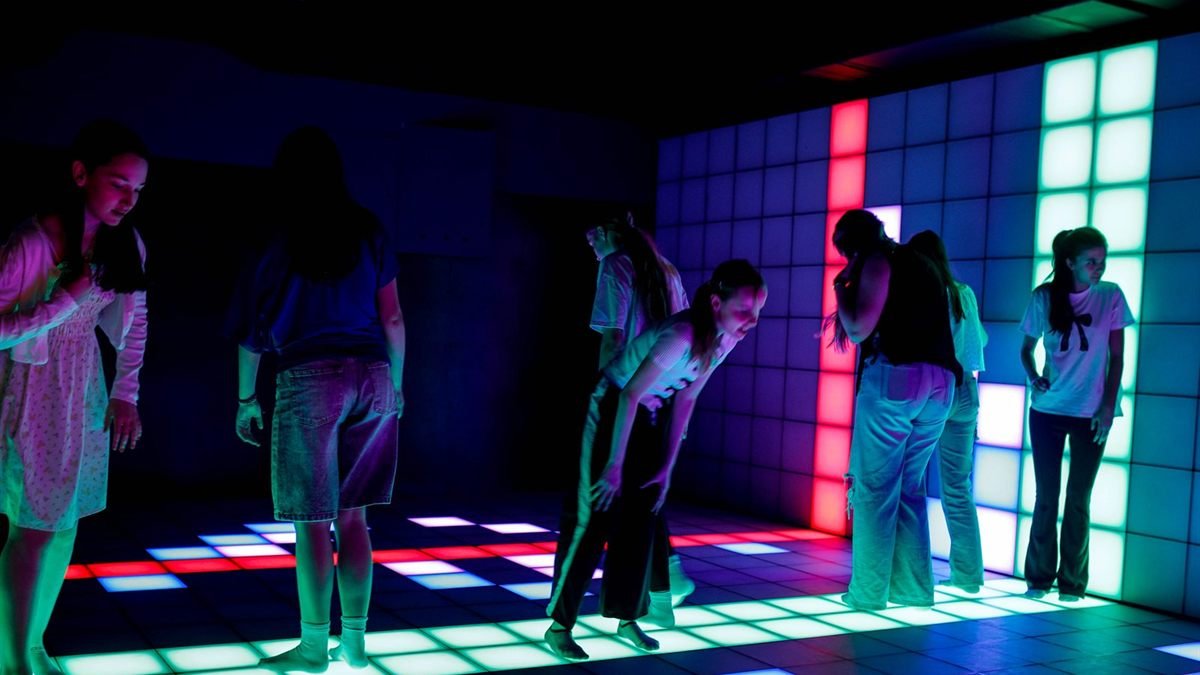
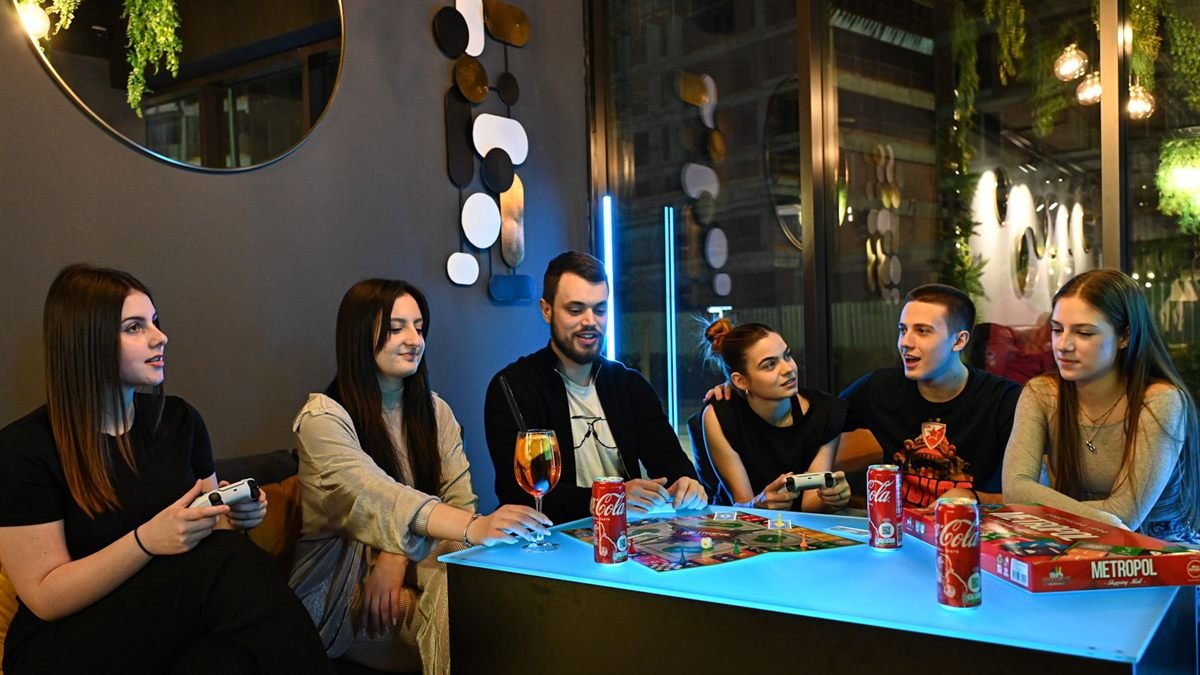
10 ideas for ages 10–15 — from gaming and LED games to active, team-based parties.
Read the article
Ideas by age
Between eight and twelve, interests change from the ground up. Here's what works at each age and how not to get the format wrong.
Between the eighth and twelfth birthday a child changes more than in any other four-year stretch. What was the height of fun at eight is a source of embarrassment in front of friends at twelve. That's why the same play centre is a great choice one year and a miss the next.
This article breaks down what works at each individual age.
In short, three things shift in parallel:
Eight is still the golden age of the classic party. Children accept guided games, enjoy surprises and don't worry about how they look.
The most common mistake: an over-ambitious programme. At this age fewer activities done thoroughly beat a long list.
A turning-point year. Children start measuring who's better and like seeing a result, but still accept a classic play centre without resistance.
Hitting double digits is a big deal for a child, and it shows in expectations. The tenth birthday is usually the first one they want to "be special".
This is where sensitivity to anything "babyish" begins. The child still wants a real party, just not one that looks like a party for little kids.
Twelve-year-olds are effectively teenagers. They judge a venue in the first five minutes, and the party has to survive the camera test.
If the birthday child is at the top of this range, see also our article on teen parties for ages 10–15.
The three main families of format and what each solves:
| Format | Best for | Upside | Risk |
|---|---|---|---|
| Active | 8–12, mixed groups | Burns energy, levels the children out | Turns into chaos without structure |
| Creative | 8–10, smaller groups | Every child takes something home | Older children get bored fast |
| Gaming / VR | 10–12 | Familiar ground, high interest | Passivity and queues if it's the only thing on offer |
| Combined | 9–12 | Changing rhythm holds attention | Needs good timing |
In practice the combined format misses least often, because it doesn't hinge on guessing one single interest.
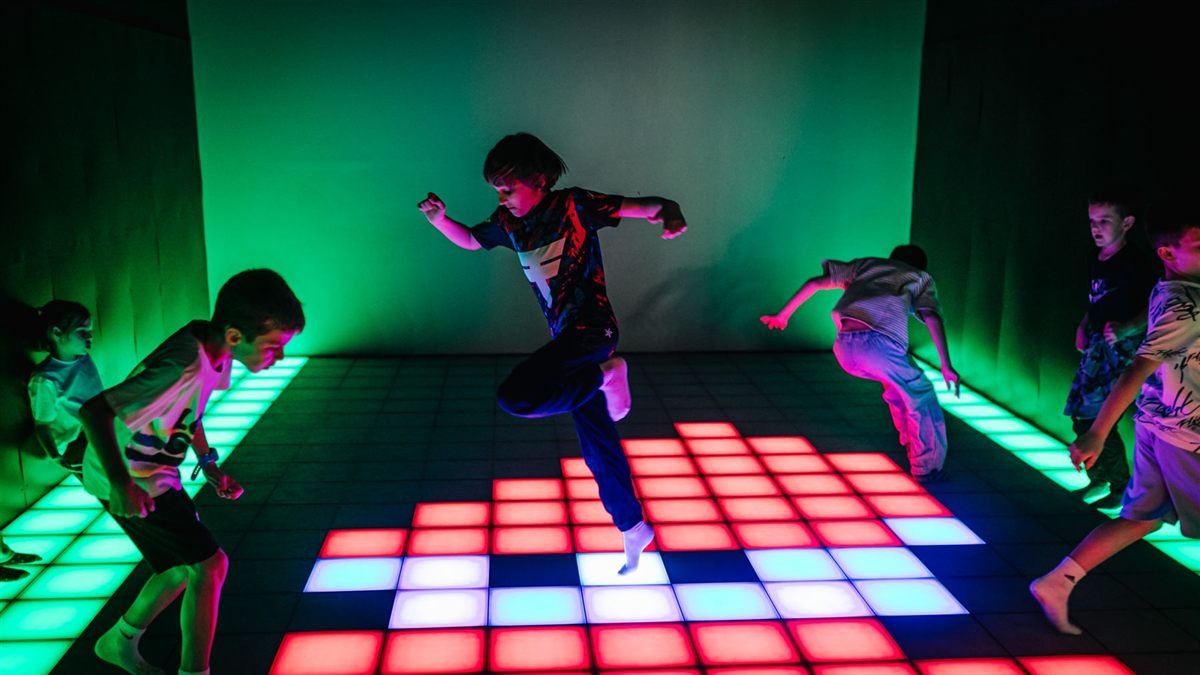
Our arena is built so activities rotate: a glowing LED floor with points-based games, gaming and VR zones and space for food and a breather. For ages 8–12 that means the same slot can look different to an eight-year-old and a twelve-year-old.
It works especially well when the group spans several ages, or when the birthday child says they don't want an "ordinary play centre".
There is no single best birthday for ages 8–12 — there is a format that fits the age and the group. Up to nine, guided play works; from ten, competition; from eleven, the space and the impression.
Offer the child two concrete options rather than an open question, and match the length to the age. Those two things solve most problems before they arise.
For children of eight to ten, a group of twelve to twenty works well. From eleven onwards children narrow the list to a closer circle themselves, so ten to fifteen is often a better choice than the whole class.
Two hours is enough up to age nine. From ten onwards, two and a half leaves room for two or three activities and a calmer stretch with food, without everything feeling rushed.
The role changes. Instead of an entertainer you need a games leader who explains the rules and runs the contest. Children this age accept someone who runs the game but reject someone who "entertains" them.
With team formats. When the teams are mixed, a two- or three-year gap disappears. Formats where older kids have a physical advantage quickly lose the younger ones.
Usually they aren't refusing the party but a format they see as babyish. Offer two concrete options instead of an open question — a choice between two things almost always brings the interest back.
A birthday for ages 8–12?
Activities rotate and adapt to the age of the group. Check the available slots and packages.
Got a question or a tip from your own experience? Share it with other parents.
No comments yet. Be the first.
Keep reading
10 ideas for ages 10–15 — from gaming and LED games to active, team-based parties.
Read the article12 things parents should check before booking — a practical checklist.
Read the articleA parents' guide: location, parking, space for adults and how to pick the right format.
Read the article